Table of contents
One foul, one handshake refused, one post that lands badly, and a stadium can turn from adoration to distrust in a single night. In modern sport, controversies no longer simmer quietly until Monday’s papers; they detonate across broadcasts, group chats and social feeds, reframing reputations while the final whistle is still echoing. For clubs, sponsors and governing bodies, the stakes are no longer only results and trophies, but legitimacy, tone and credibility, because public perception can flip fast and stick longer than anyone expects.
When one moment rewrites an athlete’s story
Can a career be redefined in seconds? In elite sport, the answer is increasingly yes, because controversies operate like narrative accelerants, compressing years of context into a single clip, a single still image, a single quote stripped of nuance. The public rarely consumes the full match or the entire press conference; it consumes the moment that travels best, and travel now means algorithmic selection as much as editorial judgment. A late tackle that once would have been debated in pubs now becomes a global referendum on “character”, and a gesture interpreted as arrogance can overwrite a decade of community work, charitable giving and professional consistency.
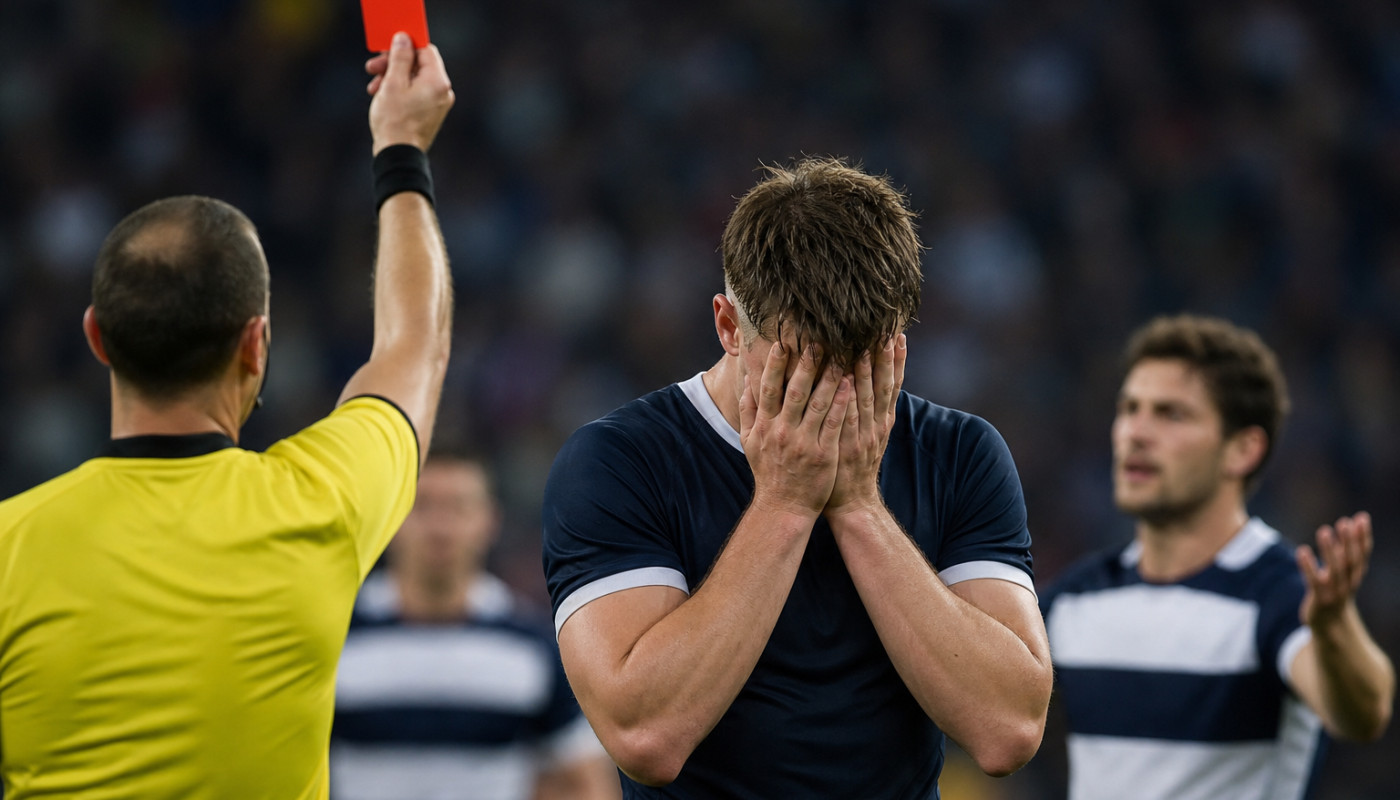
That shift is visible in how audiences assign blame and intent. Research on moral judgment consistently shows that people infer stable personality traits from limited information, especially when the information feels emotionally charged, and sport supplies that charge by design, with tribal loyalties, real-time suspense and high-status protagonists. In practice, it means a red card is rarely “just” a red card, it becomes evidence for a pre-existing belief, and if a fan base already suspects a player of being reckless, the controversy confirms it, while neutrals, seeing only the replay, fill in the gaps with stereotypes about aggression, entitlement or gamesmanship. The same mechanism works for teams and leagues: one scandal can make every future decision look suspect, from referee appointments to disciplinary consistency.
The speed of the rewrite is also fuelled by the modern media cycle. Broadcasters cut highlights for drama, pundits fill hours of analysis, and social media distils everything further into verdicts, memes and hashtags. In the English Premier League alone, global rights deals now exceed £10 billion over the current cycle, a reminder that what is at stake is not merely sporting justice but an entertainment product sold worldwide; when a controversy hits, the product must keep moving, and the easiest way to keep it moving is to simplify. Simplification is perception’s enemy, because it replaces complexity with a morality play, and once audiences choose their roles, villain and victim become remarkably hard to swap back.
Social platforms turn refereeing into culture war
Who gets to decide what “fair” means? In the age of constant clips and instant commentary, refereeing controversies do not remain technical disputes, they often mutate into cultural arguments about bias, competence and institutional trust. Video Assistant Referee was introduced to reduce “clear and obvious” errors, yet it has created a new type of controversy: not whether the referee missed something, but whether technology applied consistently, whether lines were drawn correctly, whether the protocol was followed, and whether the transparency promised to fans actually exists.
The numbers underline why these arguments catch fire. The International Football Association Board reported that, in top competitions using VAR, the accuracy of key match decisions rose into the high 90s, a leap from the low 90s without VAR; however, the same reports and subsequent league-level reviews have repeatedly acknowledged the limits: subjective calls remain subjective, and the time taken to reach decisions reshapes the emotional rhythm of matches. A fan can accept human error as part of sport, but struggles to accept a long delay followed by a decision that still feels interpretive. That psychological gap is where culture war rhetoric thrives, because it invites suspicion, and suspicion invites identity-based narratives: “they” always benefit, “we” are always punished.
Platforms intensify this dynamic by rewarding outrage and certainty. A nuanced explanation of offside geometry will never travel like a furious 10-second clip with a caption alleging corruption. Influencers, partisan fan accounts and even well-meaning former players can become accelerants, because their authority lends weight to impressions formed on partial evidence. Then the feedback loop begins: mainstream outlets chase what audiences are already debating, audiences interpret coverage as confirmation of controversy, and governing bodies respond defensively, often with opaque statements that satisfy nobody. The result is that a refereeing decision can bleed into perceptions of an entire league’s integrity, affecting everything from attendance sentiment to sponsor comfort, even when independent reviews later find no wrongdoing.
Scandals hit sponsors faster than trophies help
How long does goodwill really last? In commercial sport, brand value is fragile because it rests on trust, and trust collapses quickly when controversy suggests hypocrisy, indifference or concealment. Sponsors do not only buy exposure; they buy association, and association becomes toxic when an athlete or club is linked to discrimination, violence, cheating or governance failure. The response time has shortened dramatically, because stakeholders now monitor sentiment in real time, using social listening tools that measure spikes in negative mentions and track how narratives move across regions and demographics.
There is hard money behind that caution. Sponsorship is one of the largest revenue pillars in global sport, and individual contracts can be worth tens of millions a year at the highest level; brands therefore perform risk assessments that resemble crisis planning more than marketing. When a scandal hits, the immediate question is not only “what happened?” but “what will people believe happened by tonight?” That distinction matters, because perception drives consumer behaviour, and perception forms before investigations conclude. A sponsor that waits for due process can be praised for restraint or condemned for complicity, and that ambiguity pushes companies toward rapid, sometimes blunt action: pausing campaigns, removing imagery, issuing statements that stress “values” and “standards”.
Clubs and leagues have learned, sometimes painfully, that trophies do not automatically repair reputational damage. Winning can even aggravate backlash if audiences believe success was achieved through unfair advantage or moral compromise. That is why crisis communications has become central to sports governance: clear timelines, independent processes, visible accountability, and consistent sanctions. Yet the same transparency can be risky, because each disclosure creates new headlines, and each headline becomes fresh material for the outrage machine. The organisations that navigate this best are those that communicate early, avoid legalistic fog, and show they understand the public’s emotional stake, not just the procedural steps.
For fans, the commercial dimension often feels cynical, but it is part of the perception shift: when audiences sense that decisions are made to protect revenue rather than fairness, they reassess what the sport “is”. A league that looks like it polices dissent more harshly than misconduct will be judged accordingly, and a club that appears to prioritise asset value over accountability may find that supporters reinterpret every future message as public relations, not leadership.
Why fans forgive, and why they don’t
Is redemption real, or just a storyline? Fans do forgive, sometimes quickly, but forgiveness is rarely about the facts alone, it is about identity, belonging and whether the person or institution seems to “get it”. Apologies work best when they are specific, when they name the harm, when they avoid excuses, and when actions follow words, yet sport has a habit of delivering apologies that feel templated, lawyered and timed for maximum convenience. The public reads tone as much as content, and tone is what determines whether an apology repairs perception or deepens cynicism.
There is also a gap between core supporters and broader audiences. A club’s most loyal fans may defend a player because defending the player feels like defending the club, and defending the club feels like defending themselves. Neutrals, meanwhile, have no such incentive, and can treat the same controversy as a simple moral choice: like or dislike, respect or dismiss. That split matters because global sport now depends heavily on casual and international viewers, not only match-going regulars. A controversy that energises a home crowd can simultaneously repel a worldwide audience that sees only the negative headline, and in a market where growth is international, that reputational cost can be long-term.
Context can still cut through, but it must be accessible. One reason long-form reporting retains value is that it reconnects events to systems: development pathways, financial pressures, cultural expectations, and the human reality behind public figures. Sometimes, the most revealing lens is not the scandal itself but the ecosystem around it, the pipeline of talent, the incentives shaping behaviour, and the local traditions that persist when attention moves elsewhere. Readers who want that kind of grounding can find it in coverage such as Nogomania, where the focus on players, leagues and continuity offers a counterweight to the moment-to-moment churn that controversies thrive on.
Ultimately, overnight perception changes happen when three forces align: a vivid incident, an emotionally primed audience, and a distribution system built for speed. The only durable response is credibility, earned slowly through consistent standards and visible fairness. Sport will always generate drama, but whether drama becomes damage depends on how honestly institutions react, and whether they treat fans as stakeholders with memories, not just consumers with short attention spans.
What to watch before you book tickets
Before committing, check refund rules, kick-off times and transport strikes, and set a realistic budget for tickets, travel and food, because price swings are common around high-profile fixtures. Look for family discounts, student rates and local schemes, and in some cities, subsidised transit can reduce total cost. When controversy is ongoing, buy through official channels, and confirm whether fixtures or venues could change at short notice.
Similar

What Seasoned Bettors See In A Football Match That You Might Miss

Rising Stars In Motorsport: The Journey To Top Team Rivalry

The Ultimate Guide To Casino Bankroll Management For Beginners

Mental Toughness: The Missing Link in Athletic Success

Extreme Sports: Thrill Beyond Traditional Boundaries

The Unspoken Truth of Sports Nutrition
